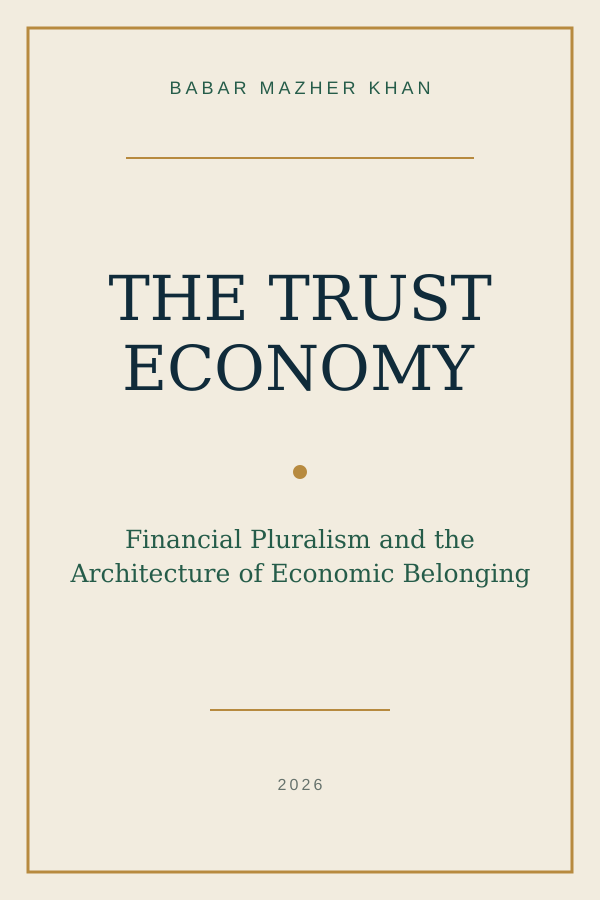
The Trust Economy
Financial Pluralism and the Architecture of Economic Belonging. An exploration of recognition, trust, financial participation and the institutional architecture that shapes economic belonging.
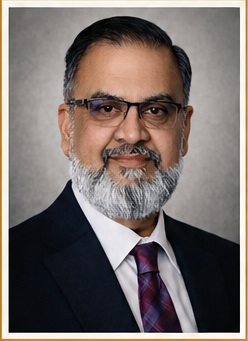
Explore the book →I study the economic consequences of unrealized human capability — and how trust, recognition, finance and institutional design can help societies recover more of that lost potential.
My work develops the ideas of economic pluralism, financial pluralism, and Economic Pluralism Dividend Loss (EPDL) — a proposed research framework for identifying selected forms of productive value that never materialize.
Modern institutions are exceptionally good at recording people. The harder question is whether they recognize capability, responsibility, contribution and potential in ways that create productive participation.
Recognition does not mean automatic entitlement. Markets still require competence, financial institutions must manage risk, and professional standards must be protected. The research asks whether we can distinguish genuine differences in capability and risk from avoidable institutional frictions.
Can institutions see what a person is genuinely capable of contributing?
Does legitimate responsibility travel across borders, institutions and systems?
Can recognized capability reach financing, networks and productive opportunity?
What happens economically when the gap between capability and contribution persists?
Economic Pluralism Dividend Loss is proposed as a disciplined research framework — not an established statistic — for studying selected forms of foregone productive value associated with persistent, avoidable underutilization of credible human capability.
The objective is to produce the most defensible one — and then ask whether identifiable interventions can recover part of that lost contribution.
Explore EPDL →The books are the public doorway into a broader inquiry about recognition, trust, unrealized capability and institutional design.
Financial Pluralism and the Architecture of Economic Belonging. An exploration of recognition, trust, financial participation and the institutional architecture that shapes economic belonging.
Explore the book →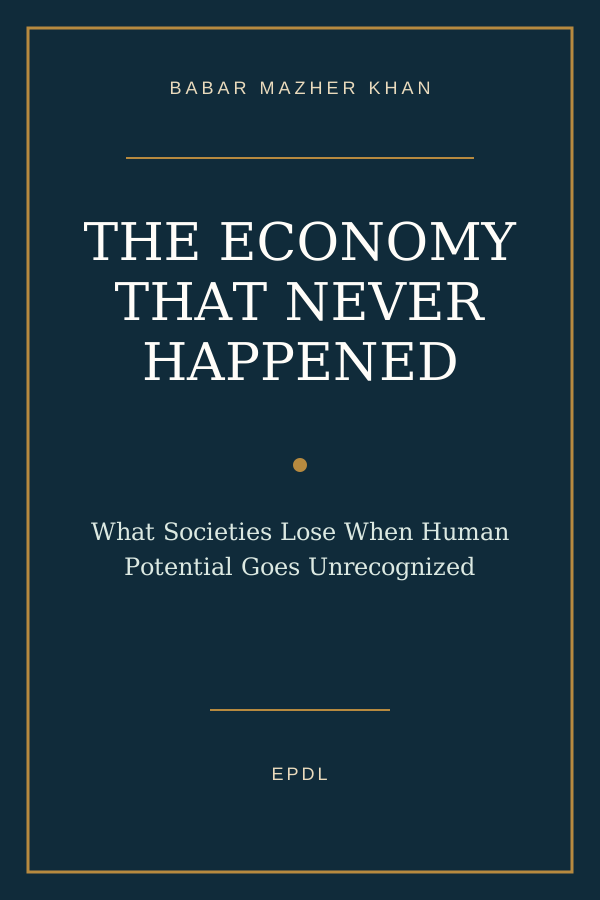
A research-driven argument for examining the value that never materializes when credible human capability remains persistently underrecognized or underutilized.
Explore the book →Professional and personal experience across Pakistan, Qatar and Canada.
A career spanning institutions, transactions, businesses and classrooms.
Connected work on trust, economic belonging, unrealized value and EPDL.
How can institutions better recognize and productively enable legitimate human capability?
Readers, researchers and practitioners are invited to contribute experiences, evidence, sources, questions and criticism. Strong counterarguments are research contributions too.
Experiences can reveal research questions that aggregate statistics do not immediately expose.
Contribute →Suggest academic work, datasets, policy reports or contrary evidence relevant to the programme.
Submit evidence →If an assumption is wrong, too broad or already addressed elsewhere, the research needs to know.
Challenge it →I welcome dialogue with universities, multilateral and development organizations, financial institutions, foundations, policymakers and practitioners interested in testing or advancing these ideas.